The Soul of Hungary Lives in Its Kitchen
From the hearty warmth of goulash to the sweet layers of Dobos torte, discover centuries of culinary tradition shaped by the Danube, the Great Plains, and generations of passionate cooks.
Explore RecipesA Culinary Heritage Rooted in Tradition
Hungarian cuisine is one of the most distinctive in Central Europe, built on bold flavors, seasonal ingredients, and a deep respect for the land.
For centuries, Hungarian cooks have transformed simple ingredients like paprika, onions, sour cream, and fresh pork into dishes that are celebrated around the world. Each region of Hungary brings its own take on classic recipes, from the fisherman's soups of Szeged to the strudels of the Bakony hills. Whether you are exploring Budapest's Great Market Hall or cooking in your own kitchen, Hungarian food tells a story of resilience, creativity, and warmth.
Discover Paprika
Explore Classic Hungarian Dishes
Each dish carries its own story, passed down through families and perfected over generations.

Traditional Goulash
The quintessential Hungarian dish that started as a humble herdsman's meal and became a national treasure.
Read the Full Guide
Chicken Paprikash
A creamy, paprika-rich comfort dish often considered the Sunday lunch centerpiece in many Hungarian households.
Learn How to Make It
Hungarian Desserts
From the caramel-topped Dobos torte to spiral chimney cakes, Hungarian sweets are legendary across Europe.
Explore Desserts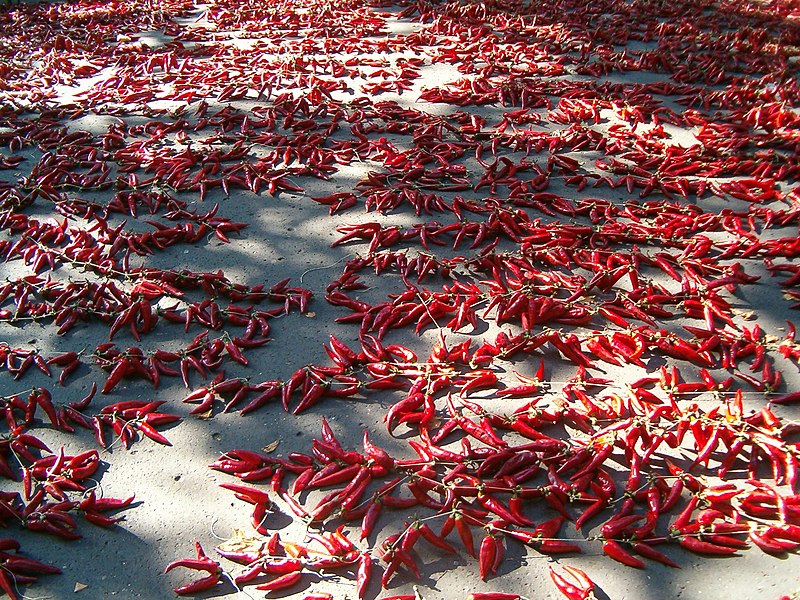
The Story Behind Hungarian Paprika
Paprika is far more than just a spice in Hungary. It is a symbol of national identity, a UNESCO-recognized cultural element, and the backbone of almost every classic dish. Grown primarily around Szeged and Kalocsa, Hungarian paprika ranges from mild and sweet (edes) to fiery hot (eros).
Understanding the different grades and how to use them properly can transform your cooking, whether you are making a simple stew or attempting a restaurant-quality paprikash.
Read the Full GuideLangos: Hungary's Beloved Street Food
Walk through any Hungarian market, festival, or beach along Lake Balaton, and the aroma of freshly fried dough will greet you. Langos is Hungary's most popular street food: a deep-fried flatbread traditionally topped with sour cream, garlic butter, and grated cheese.
Its origins date back to the Turkish occupation of Hungary, when bread was baked in the residual heat of stone ovens. Today, it has evolved into a beloved snack with modern toppings ranging from ham and mushrooms to Nutella and seasonal fruits.
Updated: February 2026
Why Hungarian Cuisine Stands Out
Bold Spice Traditions
Unlike many European cuisines, Hungarian cooking leans heavily into complex spice blends. Paprika, caraway, marjoram, and black pepper create layers of flavor in every dish.
Fresh, Seasonal Ingredients
Markets across Hungary still operate on a seasonal cycle. Spring brings fresh greens and lamb, summer offers stone fruits and peppers, autumn delivers mushrooms and game, and winter features preserved meats and root vegetables.
Crossroads of Culture
Sitting at the crossroads of Central Europe, Hungarian cuisine absorbs influences from Austrian, Turkish, Slavic, and even French cooking traditions, resulting in a uniquely layered food culture.